You can safely feed your dog guava as anoccasional treat, as long as you remove the seeds and stick to small, bite-sized pieces. This fruit provides a boost of vitamin C and fiber, but moderation is essential because too much guava can upset your dog’s stomach.
Give guava just once or twice a week in amounts appropriate for your dog’s size—a single dice-sized piece for smaller breeds, or two to three pieces for larger ones. Careful observation after introducing this new treat helps you catch any digestive issues or rare allergic reactions quickly.
Is Guava Good For Dogs?: Health Benefits For Dogs Eating Guava
Guava is safe for your dog to eat in moderation and can be a smart addition to their diet. This fruit brings important nutrients such as vitamin C, which helps keep your dog’s immune system strong and better able to fight off infection.
You’ll also find guava is naturally high in fiber, supportinghealthy digestion and reducing problems with constipation. The presence of antioxidants in guava further supports your dog’s cell health and helps protect against stress from free radicals.
Consumption Level: How Much Should You Feed Dogs Guava
When it comes to feeding your dog guava, moderation is key. For small dogs, one small dice-sized piece is enough, while medium to large dogs can have up to three small pieces per serving.
Ensure that treats, including guava, make up no more than 10% of your dog’s daily calorie intake. This careful approach helps prevent digestive issues and unnecessary weight gain.
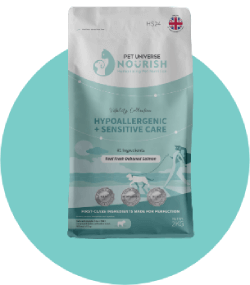
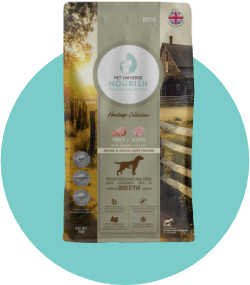
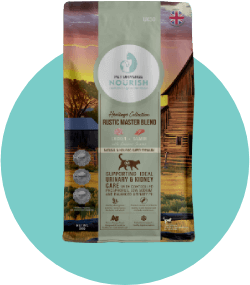
Remember that fruits are never substitution for actual dog food which you can get the most nutrients from Nourish’s dog food selection. Learn more about our ingredients below:
Overconsumption: Possible Side Effects Of Dogs Eating Too Much Guava
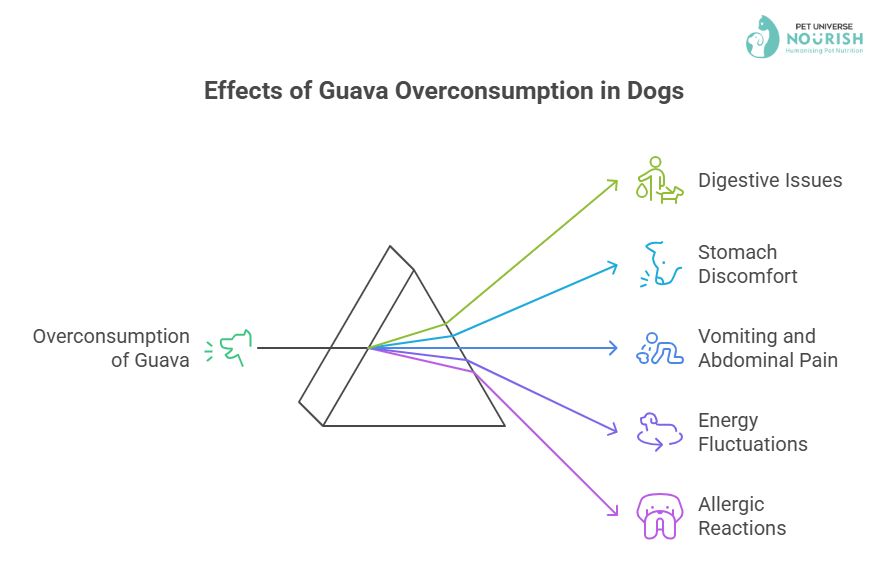
Eating too much guava can upset your dog’s digestive system. One of the most common reactions is diarrhea or loose stools, which is often linked to guava’s high fiber content.
If your dog has overindulged in guava, you might notice signs of stomach discomfort. This can show up as bloating, visible gas, or your dog seeming to strain during bathroom breaks.
Some dogs may develop vomiting or mild abdominal pain after eating excessive fruit. Watch for unusual behaviors, like whining or pacing, which can point to a stomach upset.
Feeding large amounts of guava introduces more sugar than your dog needs. This can cause spikes and sudden drops in energy, leading to tiredness or lethargy.
Though rare, allergic reactions are still a possibility. Swelling, itching, or the appearance of hives are signs you should never ignore; contact your vet promptly if you see these symptoms.If you want your dog to enjoy guava safely, stick to small amounts and monitor their reaction. Even healthy foods can be harmful when moderation is ignored.
Frequency Level: How Often Can I Feed My Dogs Guava?
You should offer guava to your dog only once or twice a week, as feeding it more often can lead to digestive issues due to its rich fiber content. Fruit treats, including guava, should make up no more than 10% of your dog’s daily calories to maintain a balanced diet.
For a typical serving, cut guava into small, seedless pieces and avoid giving large amounts—usually a few chunks per treat session is enough. Smaller dogs should receive less to prevent overfeeding, while larger dogs can handle slightly more, but moderation is always key.
Steps To Safely Feed Your Dogs Guava
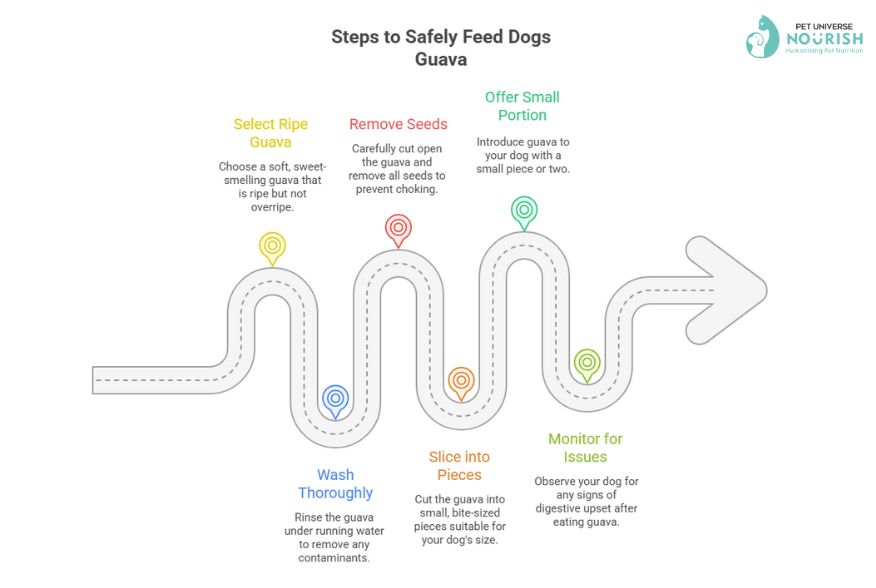
Start by picking a ripe, fresh guava rather than one that’s overripe or firm and green. Ripe guava is softer to the touch and has a sweet aroma. Unripe fruit can be tough on your dog’s digestion, so going for one that’s just right is key.
Thoroughly wash the guava under running water to remove any pesticides, chemicals, or dirt that might linger on the skin. Even organic fruit benefits from a solid rinse. This step helps reduce any unnecessary health risks.
Cut the guava open, and carefully remove all seeds. Seeds can create choking hazards or digestive blockages, so take a moment to inspect and ensure none are left behind before serving.
Slice the guava into small, bite-sized pieces appropriate for your dog’s size. Small breeds will need even tinier pieces than larger dogs. This helps prevent your dog from choking and makes the treat more enjoyable.
Start by offering only a piece or two as a trial. Watch your dog as they try guava for the first time and limit the portion to avoid upsetting their stomach. Moderation is crucial when introducing any new food.
After your dog eats guava, keep an eye out for any signs of tummy trouble, such as vomiting or diarrhea. If you notice any issues, stop feeding guava and consult your veterinarian. Not all dogs tolerate new fruits the same way, so attentive observation is important.
Frequently Asked Questions About Can Dogs Eat Guava
1. Are There Any Parts Of Guava That Dogs Should Not Eat?
You should never give your dog the seeds or the rind of guava. The seeds are small, hard, and can get stuck or cause a blockage, while the rind is tough and can upset your dog’s digestive system.
Only offer your dog the soft flesh of the guava after removing all seeds and the outer rind. Sticking to just the fruit’s interior makes it much safer and easier for your pet to enjoy this sweet treat.
2. Can Dogs Eat Guava Products Like Paste, Tea, Or Baked Goods?
You should avoid giving your dog guava paste, guava tea, or guava-flavored baked goods because these products often contain large amounts of sugar or other additives not safe for dogs. Even though guava fruit is safe in small pieces, these processed forms can lead to upset stomach, weight gain, or dental problems if eaten by your dog.
It’s always best to offer your pet fresh guava in tiny portions rather than any sweetened or processed varieties. Keeping treats simple and close to nature is the safer route for your dog’s health.
3. Should I Consult A Vet Before Adding Guava To My Dog’s Diet?
You should always check with your veterinarian before letting your dog try guava, especially if your pet has health issues, allergies, or is on medication. A professional assessment ensures that new foods like guava complement your dog’s unique dietary needs and do not interfere with ongoing treatments.
Even when your dog seems healthy, reactions to unfamiliar foods can be unpredictable. Getting expert advice helps you avoid unexpected digestive problems and keeps your pet’s wellness on track.

 EN
EN
 Fat Bloom Pet Food And How It Impacts Product QualityFat Bloom Pet Food And How It Impacts Product Quality When a thin, whitish ...