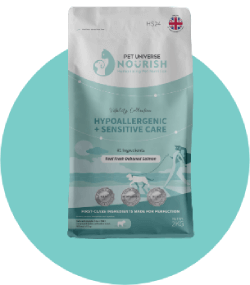
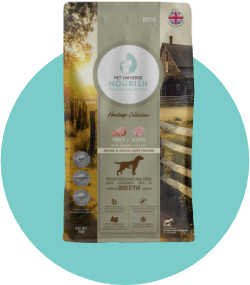
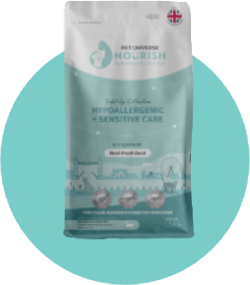
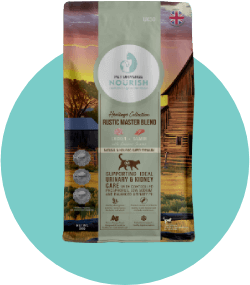
Kibbles are small, dry pellets of processed food primarily designed for pets like dogs and cats. These bite-sized morsels contain a mixture of ingredients that have been ground, mixed, cooked, and formed into hard nuggets that provide convenience for pet owners while delivering nutrition to their furry companions.
You might recognize kibble as the most common type of pet food found in stores, typically sold in bags of various sizes. These dry pellets are formulated to contain essential vitamins, minerals, and macronutrients that pets need for their health, though the nutritional quality can vary significantly between brands and formulations.
Benefits Of Kibbles For Your Pets
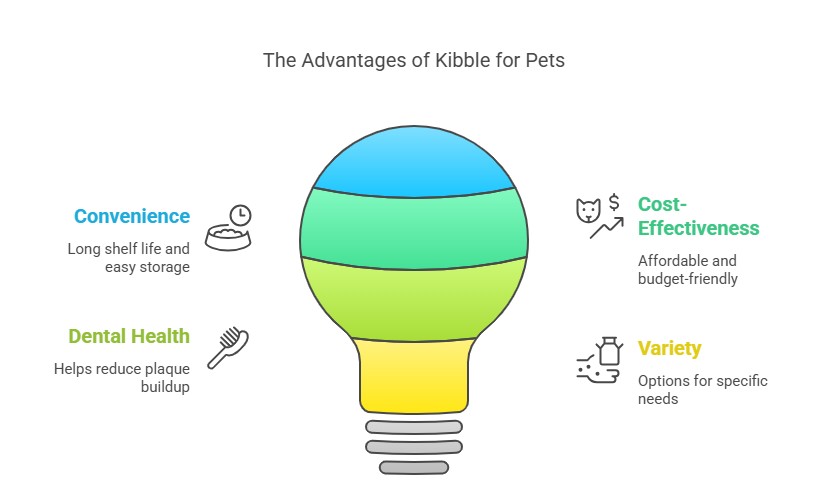
Kibbles offer remarkable convenience for pet owners with their impressively long shelf life. You can stock up on your pet’s food without worrying about it spoiling quickly, making it perfect for busy pet parents. This practical advantage means fewer trips to the pet store and less stress about running out of food.
Storage is a breeze with kibble, as it doesn’t require refrigeration and takes up minimal space in your home. You can easily keep it in a sealed container to maintain freshness for weeks or months. The dry format also makes it portable for travel or boarding situations.
The cost-effectiveness of kibble can’t be overlooked, especially when comparing it to fresh or raw food options. You’ll find kibble available at various price points, making it accessible regardless of your budget. Regular kibbles provide good nutrition at reasonable prices, while premium options offer enhanced benefits for a moderate increase in cost.
That satisfying crunch your pet enjoys serves a dental purpose too. The abrasive texture of kibble can help reduce plaque buildup on your pet’s teeth as they chew. Many formulas are specifically designed to promote dental health, giving you an easy way to support your pet’s oral hygiene.
One of kibble’s greatest strengths is its variety of formulations to address specific needs. You can find options for puppies, seniors, weight management, sensitive digestion, and various health conditions. Limited-ingredient kibbles are particularly helpful for pets with food sensitivities since they typically contain just one protein and carbohydrate source.
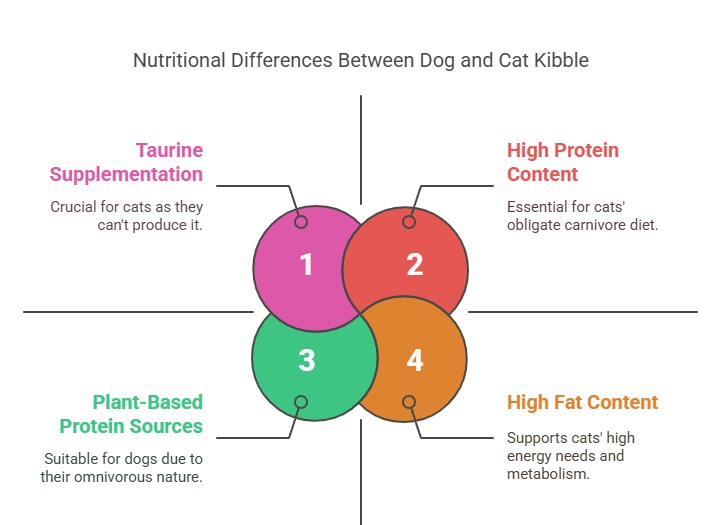
While dog and cat kibble might look similar at first glance, they’re formulated to meet very different nutritional needs. Cats are obligate carnivores, requiring meat-based diets, while dogs are omnivores that can digest both plant and animal matter.
The protein content in cat kibble is substantially higher than in dog food. Your cat needs animal-based proteins to thrive, whereas your dog can benefit from a mix of protein sources, including some plant proteins.
Fat content differs significantly between these kibble types. Cat food typically contains more fat to support felines’ higher energy requirements and faster metabolism.
Cat kibble always contains taurine, which cats can’t produce themselves. Your dog can synthesize this amino acid naturally, so it’s not a critical ingredient in their food.
Plus, cat food also contains arachidonic acid, a fatty acid cats can’t produce on their own. Your dog can synthesize this from plant oils, so dog kibble doesn’t need to include it.
The vitamin profile differs too. Cats require preformed vitamin A in their diet as they can’t convert beta-carotene from plants. Your dog can make this conversion easily.
Cat kibble is more calorie-dense than dog food. This higher energy concentration supports cats’ elevated metabolic needs compared to the varied energy requirements of different dog breeds and sizes.
Safety Precautions: Keeping Kibbles Clean
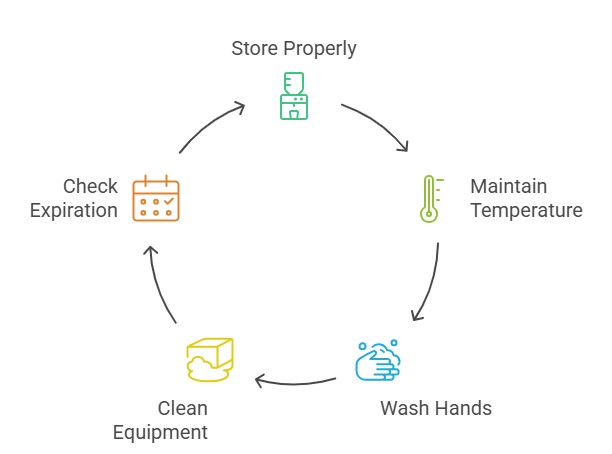
Keeping your pet’s kibble clean and fresh is essential for their health and well-being. Proper storage and handling can prevent contamination and preserve nutritional value. There are several simple practices you can adopt to ensure your furry friend’s food stays safe.
Store kibble in its original packaging inside a clean container with a tight-fitting lid. The original bag has protective linings designed to keep the food fresh, while the container provides an extra barrier against pests and moisture. Remember to wash the storage container between bags to remove residual fat and crumbs that could become rancid.
Temperature matters more than you might think! Keep dry kibble in a cool, dry place with temperatures below 80°F. Excessive heat and humidity can accelerate nutrient breakdown and create the perfect environment for mold growth. Avoid storing pet food in garages or sheds where temperatures fluctuate dramatically.
Washing your hands before and after handling pet food is a simple yet effective way to prevent cross-contamination. This reduces the risk of transferring bacteria between your pet’s food and your family’s. A quick 20-second scrub with soap and water does the trick.
Don’t forget about food bowls and feeding equipment. Clean pet dishes, scoops, feeding mats, and treat toys regularly—ideally after each use. Bacteria can quickly multiply on these surfaces, especially when food residue is present. A weekly deep clean with hot, soapy water can prevent biofilm buildup.
Check expiration dates on kibble packages before purchasing and use older kibble first. Most dry pet food has a shelf life of about 12-18 months when sealed, but only 2-3 weeks once opened. Using food before it spoils helps ensure your pet gets proper nutrition.
When selecting kibble for your pet, quality protein sources should top your list of priorities. Look for named animal proteins like chicken, turkey, beef, or salmon as the first ingredient. These provide essential amino acids that support your pet’s muscle development and overall health.
Wholesome carbohydrates play a crucial role in your pet’s kibble by supplying energy and fiber. Good options include brown rice, barley, sweet potatoes, and peas. These ingredients not only fuel your pet’s activities but also support digestive health.
Healthy fats are non-negotiable for your pet’s wellbeing. Sources such as chicken fat, fish oil, and flaxseed oil deliver essential fatty acids that promote skin health, coat shine, and brain function.
Fiber-rich ingredients help maintain your pet’s digestive system in top condition. Whole grains, pumpkin, and beet pulp contribute both soluble and insoluble fiber. These work together to support regular bowel movements and gut health.
Key Vitamin & Mineral Sources:
Vitamin A: Supports vision and immune function
B vitamins: Essential for energy metabolism
Calcium & Phosphorus: Maintain strong bones and teeth
Zinc: Promotes skin health and wound healing
Omega fatty acids deserve special attention when evaluating kibble ingredients. Fish, eggs, and specific oils provide omega-3 and omega-6 fatty acids that reduce inflammation and enhance coat quality. These nutrients also support cognitive function, especially important for growing puppies and senior pets.
Remember that a balanced formula matters more than any single ingredient. Quality kibble combines these essential components in proper proportions to meet your pet’s nutritional needs at different life stages.
Frequently Asked Questions About Kibbles
1. How much kibbles should you feed your dog?
The right amount of kibble for your dog varies based on their weight, age, and activity level. Check the feeding chart on your kibble package for specific guidelines.
Many quality brands like Royal Canin provide detailed feeding instructions based on your dog’s size and needs. Remember that working or highly active dogs need more calories than sedentary pets.
2. How much kibbles should you feed your cat?
Most adult cats need about 20-35 calories per pound of body weight daily. For an average 10-pound cat, this typically means 1/3 to 1/2 cup of dry kibble per day.
Adjust portions based on your cat’s activity level and weight goals. Indoor cats often need fewer calories than outdoor cats who burn more energy.
3. Why do ants invade my pet’s kibble?
Ants are attracted to pet kibble because many formulations contain ingredients that release mild sweetness. Even kibbles without added sugars contain carbohydrates that break down into simple sugars.
To prevent ant invasions, store kibble in airtight containers and clean feeding areas regularly. Elevated feeding stations can also help keep crawling insects away.
4. At what age can kittens eat kibble?
Kittens can typically begin eating dry kibble around 5-6 weeks of age, once their baby teeth have developed enough to handle crunchy textures.
Start by softening the kibble with water or kitten milk replacer. Gradually decrease the amount of liquid as they get comfortable with the texture.
5. Why do some cats refuse to eat kibble?
Dental problems are a common reason cats avoid kibble – the hard texture can be painful with tooth or gum issues. Some cats might have texture preferences or could be experiencing stress or anxiety.
Chronic illnesses can also affect appetite, so consult your vet if your cat suddenly stops eating kibble. Sometimes, cats simply prefer the higher moisture content found in wet food.

 EN
EN
 Fat Bloom Pet Food And How It Impacts Product QualityFat Bloom Pet Food And How It Impacts Product Quality When a thin, whitish ...