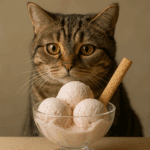
You can safely let your cat try a little plain, cooked corn—think one or two kernels—as an occasional snack, but it should not be a regular part of their diet. If you let your cat eat corn, always do so in moderation and with safety in mind. Corn should only be given in very small quantities to avoid health issues, and plain, cooked corn is safe for cats when offered occasionally.
Corn is a starchy vegetable that offers some dietary fiber, carbohydrates, and a small amount of essential fatty acids. However, when it comes to your cat’s nutritional needs, corn falls short. Cats require a diet high in animal protein, which provides the essential amino acids and nutrients they need to thrive. While cats can eat corn as an occasional treat, it does not deliver the substantial nutritional value found in meat-based foods. If you’re considering adding corn to your cat’s diet, remember that it should only be a very small part and never replace the protein-rich foods that are vital for your cat’s health.
Is Corn Good For Cats: Health Benefits For Cats Eating Corn
You can offer your cat a small amount of plain corn as a safe treat, but don’t expect it to provide any significant health benefits. In terms of cat nutrition, corn is not an essential ingredient and should not replace animal-based foods. While corn does contain some fiber and nutrients, which can support healthy gut bacteria in cats, it does not provide much nutritional value for them. Cats, as true carnivores, rely on animal protein and do not require grains like corn for optimal health. However, the fiber in corn may help promote healthy gut bacteria, which can contribute to digestive health and help prevent minor gastrointestinal issues.
Giving your cat corn occasionally is not likely to harm them, but it won’t support their dietary needs. Your cat will always benefit more from a diet based on high-quality meat rather than plant-based ingredients such as corn.
Is Corn Bad For Cats: Potential Health Hazards For Cats Eating Corn
Feeding your cat a small amount of plain, cooked corn isn’t likely to cause harm. Corn itself is not toxic to cats, so an occasional nibble does not pose a serious medical risk. However, regularly offering corn can come with overlooked drawbacks. Processed corn products like corn starch, corn flakes, and kettle corn should be avoided, as they often contain added sugar, salt, and other additives that can be harmful to your cat’s health. Foods such as corn dogs are also unsafe for cats due to unhealthy ingredients and seasonings.
Cats, being obligate carnivores, thrive on meat-based diets. If corn becomes a consistent part of what your cat eats, it may crowd out the essential nutrients found in animal protein and lead to nutritional imbalances. Over time, this can undermine their health and leave them lacking energy or muscle mass.
Digestive upset, including an upset stomach, is also possible. Too much corn—especially if seasoned or served with butter, salt, or other additives—can trigger vomiting, diarrhea, or mild bloating. For kittens or seniors, even a little digestive upset can be uncomfortable. Raw corn is not recommended for cats, as it can be difficult to digest and offers minimal nutritional benefit.
Some cats may develop sensitivities or allergies to corn after repeated exposure. This might show up as itching, skin irritation, or gastrointestinal problems. If your cat seems unwell after eating corn, it’s best to remove it from their diet and consult your veterinarian. If your cat ate something unsafe like corn husks, monitor them closely and contact your vet, as cats eat corn husks or chew on them at risk of gastrointestinal blockage, irritation, or vomiting.
Obesity is a long-term hazard to keep in mind. Corn is high in carbohydrates, which cats don’t process efficiently. Feeding starchy foods like corn regularly can make it easier for your cat to gain weight, especially with an indoor lifestyle. Always let your cat eat corn only in moderation and watch for any safety concerns.Stick to small, plain portions if your cat insists on tasting corn, and always monitor for any changes in health or behavior. Your cat’s long-term well-being is best supported by prioritizing animal proteins, not plant-based fillers.
Overconsumption: Possible Side Effects Of Cats Eating Too Much Corn
Feeding your cat large quantities of corn can lead to digestive upset. Symptoms like vomiting or loose stools are common, as a cat’s system is not built to process a high volume of plant-based foods. While many human foods, such as corn, may seem appealing to cats, most are not suitable for their nutritional needs.
If your cat seems more tired or withdrawn, especially after eating corn, this may point to discomfort or stomach pain. Lethargy often occurs when their digestion is off balance.
You might also notice a sudden drop in appetite. Cats feeling bloated or nauseous are known to turn away from food, skipping even their favorite treats.
Some cats start to drool more than usual when they are queasy. This is the body’s way of dealing with nausea and irritation in the stomach.
Too much corn can also mean greater risk for dehydration, especially if vomiting or diarrhea is present. Watch out for signs like dry gums, less elastic skin, or increased thirst—these are classic indicators your cat is low on fluids.
When you feed your cat corn, do so only in moderation and with caution, as it should be considered an occasional treat rather than a regular part of their diet. Cats require a meat based diet, and plant-based foods like corn should be limited because they do not provide the essential nutrients found in animal proteins. Compared to other human foods, corn is not toxic, but like most cat human foods, it carries risks if overfed or used as a substitute for proper nutrition. Always be careful when you feed your cat any human foods, and remember that the best treats are those that support their health. Feeding your cat foods meant for humans, especially cat human foods, can lead to digestive issues and nutritional imbalances.
Paying attention to these signs helps you make informed choices about what—and how much—you share from your plate with your cat.
Frequency Level: How Often Can I Feed My Cats Corn?
You should only offer corn to your cat as a rare treat, keeping portions very minimal—less than one tablespoon of plain, cooked corn per week is often the upper limit. Corn can be a tasty treat for most cats when given in moderation, but not all cats tolerate it well, so always watch for any signs of digestive upset. An even safer approach is to give corn perhaps once every few weeks, especially if your cat is trying corn for the first time.
Corn and other grains are often used as fillers or binders in cat’s food, but they do not provide the essential animal-based proteins that a cat’s diet requires. While small amounts of corn can be included in a cat’s diet, it should only be an occasional addition and not a regular part of their meals. Cats thrive on meat-based diets, so regularly feeding corn or other grains isn’t necessary and can lead to nutritional imbalances or digestive upset. If your cat isn’t interested in corn, there’s no need to encourage it—skipping corn altogether is perfectly healthy for your feline.
Steps To Safely Feed Your Cats Corn
Start by using only plain, cooked corn—steamed or boiled works best. Avoid any corn with seasonings, butter, or additives, as these can upset your cat’s stomach or even be harmful. Processed corn snacks are never good options.
Once the corn is cooked, let it cool completely to room temperature. Cats’ mouths are quite sensitive, and hot food can cause burns or discomfort surprisingly easily.
Begin with a very small serving, such as one or two kernels. Portion size matters; for cats, even a little is a lot. See how your cat responds before serving any more.
After your cat eats the corn, keep an eye out for any signs of digestive distress, like vomiting, diarrhea, or a sudden loss of appetite. If your cat seems fine, then plain corn can be offered as an occasional treat, but there’s no need to make it a regular occurrence. However, it’s important to remember that cats are obligate carnivores and must eat meat to get the nutrients they need. If you want to feed your cat a treat, cooked meat such as plain chicken or turkey is a much safer and more nutritious option than corn. Always prioritize animal-based treats when you feed your cat, and introduce any new foods slowly and in small amounts.
For those who enjoy making homemade cat treats, you can incorporate a tiny amount of corn for variety. Just remember to keep its inclusion minimal and always skip any added salt, oils, or sweeteners.
Frequently Asked Questions for Can Cats Eat Corn
1. What Forms Of Corn Can Cats Safely Eat?
You can safely give your cat a small amount of plain, cooked corn, such as sweet corn that has been removed from the cob. When giving corn to your cat, always serve it plain and in moderation, as too much can upset their digestive system. Steer clear of anything with butter, salt, spices, or flavorings—these additions are not suitable for your cat’s digestive system.
If you want to feed your cat corn, do so safely by offering only a small portion and avoiding any additives. Processed corn products, like corn chips or seasoned popcorn, should be left out of your cat’s bowl. Always offer only a tiny portion as an occasional treat rather than a routine part of your pet’s diet.
2. Are There Any Parts Or Types Of Corn That Are Harmful To Cats?
You should never give your cat corn cobs or husks, as they can cause dangerous blockages in the digestive tract. To keep your feline family member safe, always keep corn cobs and husks out of reach. If your cat ate corn husks or cobs, monitor for symptoms like vomiting, lethargy, or loss of appetite, and contact your veterinarian immediately.
Seasoned or butter-coated corn, as well as processed corn snacks like chips, tortillas, and popcorn with additives, can lead to stomach upset or introduce unhealthy ingredients.
Even plain popcorn can pose choking risks, and canned corn often contains extra salt or sugar that isn’t good for cats. If you want to offer a taste of corn, stick to a small amount of plain, cooked kernels and ensure there are no added seasonings or artificial flavors.
3. Why Cat Food Manufacturers Use Corn?
Cat food manufacturers often use corn because it is an inexpensive way to add bulk and fiber to cat foods. Corn helps bind kibble and provides some energy, but it does not meet the nutritional needs of obligate carnivores like cats. Many cat food manufacturers include corn to reduce costs, even though cats do not require a high-fiber diet and benefit more from meat-based ingredients. While cats can eat corn in small amounts, it’s best to select cat food that lists animal proteins as the main ingredients, ensuring your cat gets the nutrients they truly need.
4. Food Allergies and Intolerance
While corn is not among the most common food allergens for cats, some cats may develop allergies or intolerance to corn. Signs of a food allergy or intolerance can include digestive issues such as vomiting, diarrhea, or skin problems like itching and irritation. If you notice any of these symptoms after your cat eats corn, it’s important to consult your veterinarian. Too much corn in your cat’s diet can also lead to digestive upset, so it’s best to limit corn to an occasional treat and monitor your cat’s health closely. Always prioritize your cat’s well-being by choosing foods that support their unique dietary needs.
5. Can Kittens Eat Corn?
You should avoid feeding corn to kittens, as their sensitive digestive systems are not equipped to process plant-based foods efficiently. Kittens require a meat-based diet for healthy growth, as animal protein is essential for their development. The importance of cat nutrition cannot be overstated—corn does not meet the nutritional needs of kittens and should not be a part of their diet.
Giving even small amounts of corn can sometimes lead to stomach upset, such as vomiting or diarrhea. If you want your kitten to thrive, stick to balanced, species-appropriate foods designed for their unique needs.

 EN
EN
 Fat Bloom Pet Food And How It Impacts Product QualityFat Bloom Pet Food And How It Impacts Product Quality When a thin, whitish ...