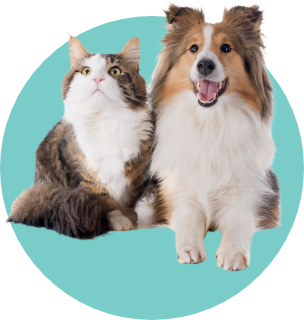
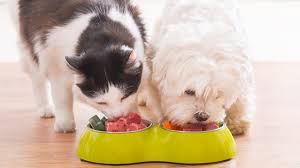
Dogs and cats often coexist in many households, leading to occasional food mix-ups. You might have caught your canine companion sneaking a bite from the cat’s bowl, raising the question: can dogs eat cat food?
While a small amount of cat food won’t harm your dog, it’s not recommended as a regular part of their diet.
Cat food is specially formulated for feline nutritional needs, containing higher levels of protein and fat than typical dog food. Your dog’s digestive system isn’t designed to process these concentrated nutrients regularly.
Small amounts are unlikely to cause immediate harm, but consistent consumption can lead to weight gain, digestive issues, and potential nutritional imbalances for your dog.
You may find it challenging to keep your curious pup away from the tempting aroma of cat food. To prevent unintended snacking, consider feeding your pets in separate rooms or placing the cat’s bowl in an elevated location out of your dog’s reach.
By taking these precautions, you can ensure both your furry friends receive the appropriate nutrition tailored to their specific needs.
Can Dogs Eat Cat Food? Let’s Talk About The Differences
Dog and cat food may look similar, but they’re designed to meet distinct nutritional needs. Cats are obligate carnivores, requiring a diet rich in animal-based proteins. Cat foods are high in protein and fat, making them appealing to dogs, but they also pose potential risks if consumed too frequently by canines. Dogs, on the other hand, are omnivores with more flexible dietary requirements.
Protein content is a key differentiator. Cat food typically contains higher levels of protein to support their muscle maintenance and energy needs. Dog food has lower protein levels, as canines can derive energy from carbohydrates more efficiently.
Commercial cat food contains higher fat and protein levels than dog food, which makes it appealing to dogs. However, it is important to consult veterinarians regarding its suitability for dogs, especially those with specific health conditions.
Amino acids play a crucial role in the distinction. Cat food includes taurine and arginine, essential for feline health. These amino acids are less critical for dogs, who can produce them naturally.
Fatty acid profiles also differ. Cat food contains more arachidonic acid, vital for skin health and inflammatory responses in felines. Dog food focuses on omega-3 and omega-6 fatty acids for coat health and joint support.
Vitamin requirements vary between species. Cat food has higher levels of vitamin A, as cats can’t produce it from plant-based precursors. Dog food contains lower vitamin A levels, as excessive amounts can be harmful to canines.
Taste and palatability are tailored to each species’ preferences. Cat food often has stronger flavors and aromas to appeal to felines’ more discerning palates. Dog food may have milder flavors and larger kibble sizes.
Caloric density differs too. Cat food is generally more calorie-dense to meet their higher energy needs. Dog food has a lower caloric density, allowing for larger portion sizes without risking weight gain.
Digestibility is another factor. Cat food is formulated to be highly digestible, considering cats’ shorter digestive tracts. Dog food may contain more fiber to support their longer digestive systems.
Possible Health Concerns When Dogs Consume Too Much Cat Food
Image Source: USA Today
When your dog eats cat food regularly, it can lead to several health issues, making cat food bad for dogs. The high protein and fat content in cat food may cause digestive problems for your canine companion, including vomiting, diarrhea, and abdominal discomfort. These symptoms can range from mild to severe, depending on the amount consumed and your dog’s individual sensitivity.
Long-term consumption of cat food can have more serious consequences for your dog’s health. The imbalanced nutrient profile may strain your dog’s liver and kidneys, potentially causing damage over time. You might also notice weight gain in your pet due to the higher calorie content in cat food. It’s crucial to monitor your dog’s diet closely and ensure they stick to food formulated specifically for their nutritional needs. Suitable nutrition is essential for maintaining a dog’s health, and cat food poses risks such as weight gain and increased risk of pancreatitis.
Nutritional Imbalance
Dog nutrition is crucial to avoid nutritional imbalances in dogs. The high protein and fat content in feline diets doesn’t align with canine nutritional needs.
Your dog’s digestive system isn’t designed to process cat food regularly. Consuming it can lead to gastrointestinal upset, including vomiting and diarrhea.
The excess protein in cat food may strain your dog’s kidneys over time. This can potentially lead to kidney issues if cat food becomes a significant part of their diet.
Fat content in cat food is typically higher than what dogs require. Regularly eating cat food can cause weight gain and obesity in your canine companion.
Some essential nutrients for dogs might be lacking in cat food. This deficiency can lead to health problems if your dog relies on cat food as their primary diet.
Occasional nibbles ofcat food won’t harm your dog. However, making it a regular part of their diet can result in long-term health issues due to nutritional imbalance. Dogs consuming only cat food may experience weight gain and other health issues due to the higher protein and fat content formulated for cats.
To maintain your dog’s health, stick to dog-specific food formulated to meet their nutritional needs. This ensures they receive the right balance of proteins, fats, carbohydrates, vitamins, and minerals.
Digestive Issues
Image Source: Sunset View Pet Hospital
When your dog eats too much cat food, it can lead to various digestive problems. The high protein and fat content in feline diets doesn’t sit well with canine stomachs.
You might notice your pup vomiting or experiencing diarrhea after consuming cat food. This is especially common in dogs with sensitive digestive systems. The rich ingredients can overwhelm their stomach, causing discomfort and elimination issues.
Upset stomachs and flatulence are other common reactions. Your dog’s digestive tract isn’t designed to process the concentrated nutrients found in cat food. This mismatch can result in gassy, uncomfortable pets.
Feeding wet cat food to dogs can also pose health risks. While dogs may enjoy its taste, wet cat food is formulated for cats and lacks the necessary nutrients for dogs if given as a primary food source. Long-term feeding can lead to nutritional imbalances and other health issues.
If you suspect your dog has eaten cat food, keep an eye out for these symptoms:
Excessive drooling
Abdominal pain or bloating
Loss of appetite
Lethargy
In most cases, these issues resolve on their own within 24-48 hours. However, if symptoms persist or worsen, it’s best to consult your veterinarian. They can provide appropriate treatment and advice to help your furry friend feel better.
Remember, while an occasional nibble of cat food likely won’t cause serious harm, it’s crucial to prevent regular access. Keep cat food out of your dog’s reach to avoid digestive distress and maintain their optimal health.
Liver And Kidney Concerns
Cat food can pose serious risks to your dog’s liver and kidney health, making it a food bad for dogs. The high protein content in feline diets puts extra strain on these vital organs. For dogs with existing liver or kidney issues, eating cat food can worsen their condition.
Your canine companion’s body isn’t designed to process such protein-rich meals regularly. Over time, this can lead to organ damage and dysfunction. Even healthy dogs may develop problems if they frequently indulge in cat food. Healthy adult dogs might tolerate small amounts of cat food occasionally, but it’s crucial to consider individual health conditions and consult with a vet if there are concerns about nutrition.
The liver works overtime to break down excess protein. This can cause inflammation and scarring of liver tissue. Your dog’s kidneys also face added stress filtering out more waste products from protein metabolism.
Signs of liver or kidney trouble may include:
Increased thirst and urination
Loss of appetite
Vomiting or diarrhea
Lethargy or weakness
Yellowing of eyes or gums (jaundice)
To protect your dog’s health, keep cat food out of reach. If you suspect your pup has eaten cat food, monitor them closely. Contact your vet if you notice any concerning symptoms. Stick to dog-specific diets to ensure proper nutrition without overburdening their organs.
Dental Problems
Feeding your dog dry cat food regularly can lead to dental issues. Cat kibble is typically smaller and designed for feline teeth, which can be problematic for dogs, especially medium and large breeds.
When your dog eats cat food, they may not chew it properly due to the small size of the kibble. This inadequate chewing can result in poor dental hygiene and potential tooth damage over time.
The lack of proper chewing also means your dog’s teeth aren’t getting the natural cleaning action that comes from crunching on appropriately sized kibble. This can lead to a buildup of plaque and tartar on their teeth.
Over time, these dental problems can escalate. You might notice bad breath, inflamed gums, or even tooth decay in your dog. In severe cases, it could lead to periodontal disease or tooth loss.
To protect your dog’s dental health, it’s best to stick to dog-specific food. These are designed with the right kibble size and texture to promote proper chewing and maintain good oral hygiene.
Why Dogs Are Attracted to Cat Food?
Image Source: IAMS
Dogs often find cat food irresistible, and there are several reasons for this. One of the main attractions is the high protein and fat content in cat food, which makes it more palatable and appealing to a dog’s sense of smell. Cat food is typically more fragrant and flavorful than dog food, which can make it even more enticing to dogs.
Moreover, dogs are opportunistic eaters and may view cat food as a novel and exciting food source. If a dog isn’t receiving a balanced and nutritious diet, they might be more inclined to seek out other food sources, including cat food.
It’s also worth noting that some dogs may be drawn to cat food out of boredom or a lack of stimulation. If a dog isn’t getting enough mental and physical activity, they might resort to eating cat food out of curiosity or to alleviate boredom. Ensuring your dog has a well-balanced diet and plenty of stimulation can help reduce their interest in cat food.
Ways To Prevent Your Dogs From Eating Cat Food
Image Source: Yahoo
Keeping your dog away from cat food is essential for both pets’ health and well-being. You can start by placing your cat’s bowl in an elevated location that your dog can’t reach. This simple change makes it physically impossible for most dogs to access the cat’s meals.
Another effective strategy is to use separate feeding areas for your pets. You can set up a designated space for your cat to eat, perhaps behind a baby gate or in a room with a cat door. This separation ensures your dog won’t have the opportunity to sneak bites of cat food during mealtimes.
Creating separate feeding spaces is crucial to prevent dogs from eating cat’s food. This helps ensure that each pet receives their appropriate diet and avoids any nutritional imbalances.
Separate The Cat Food Physically
Creating physical barriers between your cat’s food and your dog is crucial for maintaining peace during mealtimes. One effective strategy is to elevate your cat’s feeding area. Place the food bowl on a high surface like a countertop or cat tree. Cats are natural climbers and will easily access their food, while most dogs won’t be able to reach it.
It’s important to understand the dietary habits of dogs and cats, especially when considering whether cats eat dog food. Mixed feeding can lead to nutritional imbalances, as cat food and dog food are formulated differently to meet the specific needs of each pet. Ensuring that each pet eats their designated food is essential for their health.
Consider feeding your pets in separate rooms. This approach ensures each animal has their own space to eat without interruption. Close doors or use baby gates to keep them apart during feeding times. It’s a simple yet effective way to prevent your dog from sneaking bites of cat food.
Installing a pet gate with a small cat-sized opening can be a game-changer. This creates a designated feeding zone for your cat that your dog can’t access. Make sure the gate is sturdy and properly installed to withstand any attempts by your dog to breach it.
You might need to manually separate cat and dog food that isn’t easily accessible. Store their food in different cabinets or use airtight containers to keep curious noses out. This extra step helps prevent mix-ups and ensures each pet gets the right nutrition.
Remember, consistency is key. Stick to your chosen method and be patient. With time, both your cat and dog will adjust to their new feeding routines, leading to happier mealtimes for everyone.
Strategic Feeding
Proper management of your pets’ feeding routines is crucial when you have both cats and dogs in your household, especially since dogs eat cat food if given the chance. You’ll need to be proactive to prevent your dog from sneaking bites of cat food.
Consider setting different mealtimes for your furry friends. Feed your cat in the morning and your dog in the evening, or vice versa. This separation reduces the chances of your dog accessing the cat’s food.
Investing in a microchip-activated feeder can be a game-changer. These innovative devices only open for your cat, keeping your dog’s paws off the kibble. It’s a foolproof way to ensure each pet gets their appropriate nutrition.
Supervision during mealtimes is key. Keep a watchful eye on your pets as they eat. This allows you to intervene if your dog tries to sneak a bite from the cat’s bowl.
You might also consider feeding your cat in an elevated location that your dog can’t reach. A high shelf or counter can work well, as long as it’s safe and comfortable for your feline friend.
Remember, consistency is vital. Stick to your chosen feeding strategy, and your pets will adapt to the new routine. With patience and persistence, you can ensure both your cat and dog get the nutrition they need without any food-related conflicts.
Environmental Control
Creating an environment that discourages your dog from eating cat food is crucial. Start by designating separate feeding areas for your pets. Place your cat’s food bowl in an elevated spot your dog can’t reach, like a counter or tall cat tree.
Use baby gates or pet doors to restrict access to the cat’s feeding area. This physical barrier prevents your dog from sneaking into the room where cat food is kept.
Timing is key. Feed your pets at set times and remove uneaten food promptly. This practice not only helps maintain a clean feeding area but also reduces opportunities for your dog to snatch cat food.
Consider using automated feeders for your cat. These devices dispense pre-portioned meals at scheduled times, limiting your dog’s access to cat food when you’re not around.
Store cat food in sealed containers out of your dog’s reach. Keep dry food in airtight bins and canned food in the refrigerator after opening. This prevents enticing smells from tempting your dog.
Provide engaging toys and activities for your dog during cat mealtimes. This distraction can help redirect their attention away from the cat’s food bowl.
By implementing these environmental controls, you’ll create a space that naturally discourages your dog from eating cat food, promoting better health and harmony in your multi-pet household.
What to Do If Your Dog Accidentally Eats Cat Food?
If your dog accidentally eats cat food, it’s important to monitor their behavior and health closely. While an occasional snack of cat food is unlikely to cause harm, regular consumption can lead to nutritional imbalances and health problems.
Here are some steps to take if your dog eats cat food:
Monitor Their Behavior: Keep an eye on your dog for any signs of gastrointestinal upset, such as vomiting, diarrhea, or lethargy.
Contact Your Veterinarian: If your dog shows any signs of illness or discomfort, reach out to your veterinarian for advice.
Switch to Dog Food: Ensure your dog returns to their regular dog food as soon as possible to maintain their nutritional balance.
Prevent Future Incidents: To prevent your dog from eating cat food in the future, feed your pets in separate rooms and keep the cat’s bowl out of reach.
If your dog has consumed a large amount of cat food, it’s best to consult with your veterinarian for guidance on how to manage the situation and prevent any potential health issues. By taking these steps, you can help ensure your dog’s health and well-being.
Conclusion: Best Options For Dog Food
When choosing the best food for your canine companion, focus on high-quality, balanced nutrition tailored to their specific needs. Look for options with real meat as the first ingredient, such as fresh deboned salmon or turkey. These protein sources provide essential amino acids for muscle health and strength.
Opt for dog foods that incorporate beneficial ingredients like green peas for fiber and vitamins, and salmon oil for omega-3 fatty acids. These components support digestive health and promote a shiny coat.
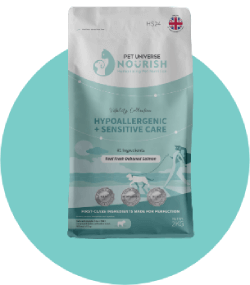
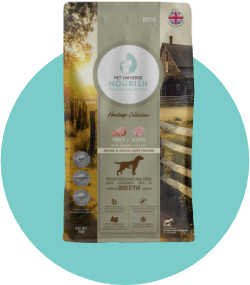
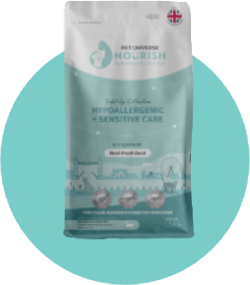
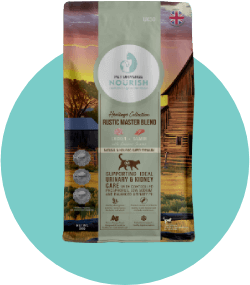
The best option we can suggest is fromNourish’s line of dog food product which basically checks all the boxes. By using first-clas ingredients in their dog food formulations, Nourish dog food is able to offer a multitude of canine health benefits.
 EN
EN
 Fat Bloom Pet Food And How It Impacts Product QualityFat Bloom Pet Food And How It Impacts Product Quality When a thin, whitish ...