A Beginner Puppy Food Guide For First Time Pet Owners!
Puppy Food: Why Is It Important to Properly Manage Puppy’s Diet Before We Start
Managing your puppy’s diet properly is one of the most critical aspects of responsible pet ownership. During the early stages of life, puppies are particularly vulnerable, and their nutritional needs differ significantly from adult dogs.
Proper growth and development depend heavily on diet. The inclusion of crude protein in the diet is essential for muscle and tissue development. A puppy’s first food, typically introduced around three to four weeks of age, must provide balanced nutrition specifically formulated for growing puppies. Your puppy’s bones, muscles, and organs need the right nutrients to develop correctly.
Immune system strength is built during these formative months. A well-balanced diet helps your puppy fight off diseases and infections as their immune system develops. Without proper nutrition, puppies may face increased susceptibility to illness.
Digestive health is another crucial reason for carefully managing your puppy’s diet. Introducing food gradually gives their digestive systems time to adjust properly. Many new pet owners don’t realize that puppies need special dietary considerations to avoid digestive upset.
Weight management starts early. Overfeeding can lead to obesity, which causes joint problems and other health issues later in life. Underfeeding, on the other hand, can result in developmental delays and nutritional deficiencies.
For inexperienced dog owners, managing a puppy’s diet can seem overwhelming, but understanding its importance is the first step toward giving your puppy the best start in lifespan.
The Key Differences Between a Puppy’s and Adult Dog’s Diet
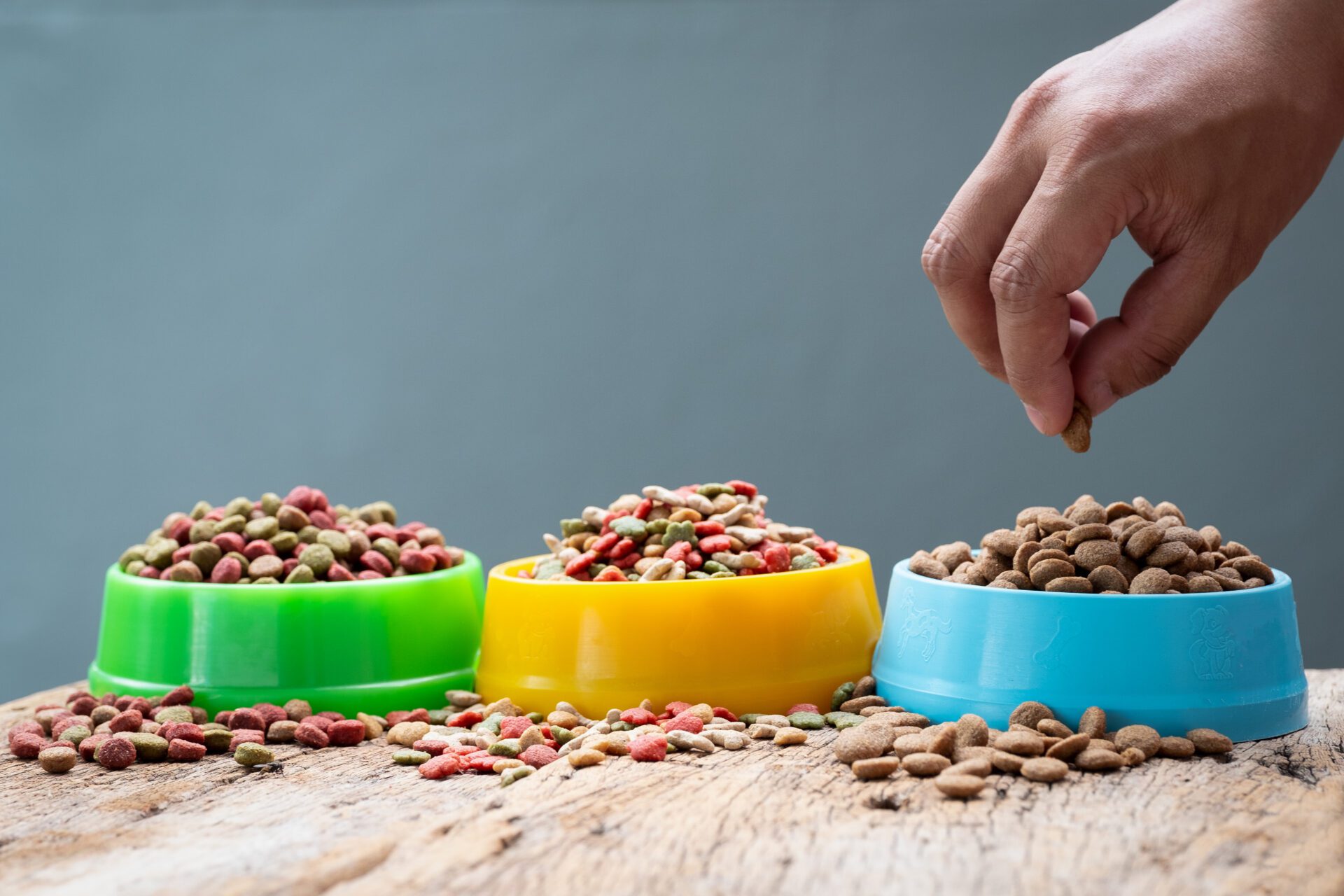
Puppies require significantly more calories than adult dogs to support their rapid growth and higher energy levels. Dry food can be beneficial for puppies as it helps maintain dental health and provides a balanced diet. Wet food also plays a crucial role in providing nutritional balance and variety, catering to different dietary needs.
Protein Content is another crucial difference. Puppy food contains 25-30% protein compared to adult food’s 18-25%. This higher protein concentration supports the development of muscles, organs, and tissues during this critical growth phase.
The fat content in puppy food is notably higher—around 8-10% versus 5-8% in adult formulations. This increased fat provides essential fatty acids and energy that fuels your puppy’s playful antics and developmental needs.
Your puppy needs more frequent meals throughout the day due to their smaller stomach size and faster metabolism. While adult dogs typically do well with 1-2 meals daily, puppies benefit from 3-4 smaller meals, especially during their first few months.
Feeding your puppy adult food too soon can deprive them of essential nutrients needed for proper development. Conversely, keeping an adult dog on puppy food can lead to unhealthy weight gain due to the higher calorie content.
Puppy Food Schedule: How Much to Feed a Puppy?
Establishing a proper feeding schedule for your puppy is crucial for their health and development. Young puppies need frequent meals in small amounts—newborns require feeding every 2-3 hours, while older puppies can gradually transition to fewer daily meals. As they grow, their nutritional needs change, requiring adjustments to both portion size and frequency.
Most puppy food packages include feeding charts based on weight and age to guide you. Detailed feeding instructions can be found on the packaging to help pet owners meet their puppy’s dietary needs. For example, small breed puppies may need 3-4 meals daily until 6 months, while larger breeds might maintain this schedule longer. Always measure food carefully rather than eyeballing portions to prevent overfeeding.
Here’s a basic puppy feeding schedule by age:
Age
Meals Per Day
Notes
6-12 weeks
4 meals
Small, frequent meals
3-6 months
3 meals
Slightly larger portions
6-12 months
2 meals
Begin transition to adult schedule
Choose a quiet feeding location away from household traffic and maintain consistent feeding times. Avoid exercise immediately after meals to prevent digestive upset, especially in large breeds who are susceptible to bloat. Remember that treats should never exceed 10% of your puppy’s total diet to maintain nutritional balance.
Point of Caution: Foods to Avoid Feeding Your Puppy for Digestive Health
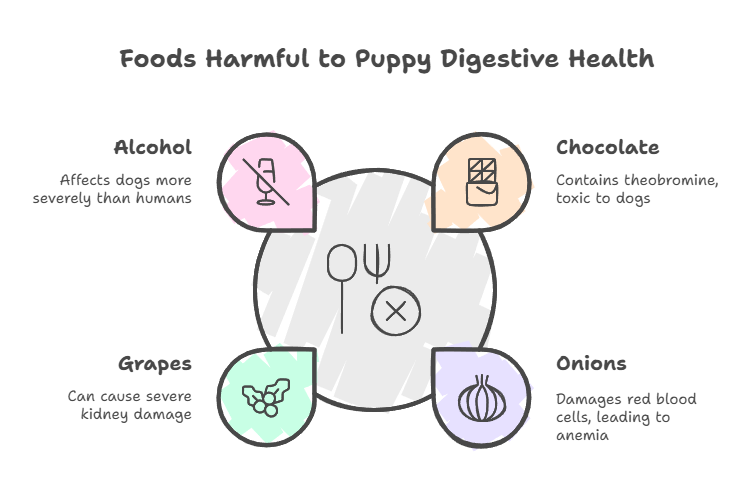
Keeping your puppy safe means knowing which foods can harm them. Some common household foods can be toxic to dogs and should be kept well out of reach.
Chocolate and Caffeine contain methylxanthines like theobromine that dogs cannot metabolize effectively. Even small amounts can cause vomiting, diarrhea, increased thirst, and in severe cases, seizures or heart failure. Dark chocolate and baking chocolate are particularly dangerous due to their higher theobromine content.
Onions and Garlic damage your puppy’s red blood cells, potentially leading to anemia. This toxicity applies whether these foods are raw, cooked, powdered, or even in processed foods like baby food or pizza. Symptoms may include weakness, vomiting, and breathing problems.
Grapes and Raisins can cause severe kidney damage in dogs, sometimes leading to complete kidney failure. What’s particularly concerning is that even small amounts can be toxic, and not all dogs show the same sensitivity level. If your puppy consumes these fruits, contact your vet immediately.
Alcohol affects dogs much more severely than humans. Even small amounts can cause vomiting, coordination problems, central nervous system depression, difficulty breathing, and in worst cases, coma or death. Never leave alcoholic drinks where your puppy can reach them.
Transitioning: When is it Time to Change From Puppy Food to Adult Dog Food Based on Life Stage?
Knowing when to switch your puppy from specialized puppy food to adult dog food depends primarily on your dog’s breed size. Small breed dogs typically reach maturity around 9-12 months, making this the ideal transition window.
Medium-sized breeds (20-50 pounds when fully grown) generally need puppy nutrition until they’re 12-15 months old. Their growth rate slows down around this time, signaling they’re ready for adult formulations.
Large and giant breeds require special consideration. Large breeds may transition between 12-18 months, while giant breeds like Great Danes might need puppy food for up to 24 months.
Signs your puppy is ready for adult food:
Has reached approximately 80-90% of their adult size
Growth rate has noticeably slowed
Has completed most of their physical development
Is approaching the age appropriate for their breed size
The transition process should be gradual to avoid digestive upset. Follow this 7-day transition schedule:
Days 1-2: 75% puppy food, 25% adult food
Days 3-4: 50% puppy food, 50% adult food
Days 5-6: 25% puppy food, 75% adult food
Day 7: 100% adult food
Adult dogs require fewer calories per pound than growing puppies. You’ll likely feed them less frequently—usually twice daily instead of the 3-4 meals puppies need.
Always consult your veterinarian before making the switch. They can provide guidance specific to your dog’s individual needs, health status, and development.
The Ideal Puppy Growth Food For Health and Nutrition
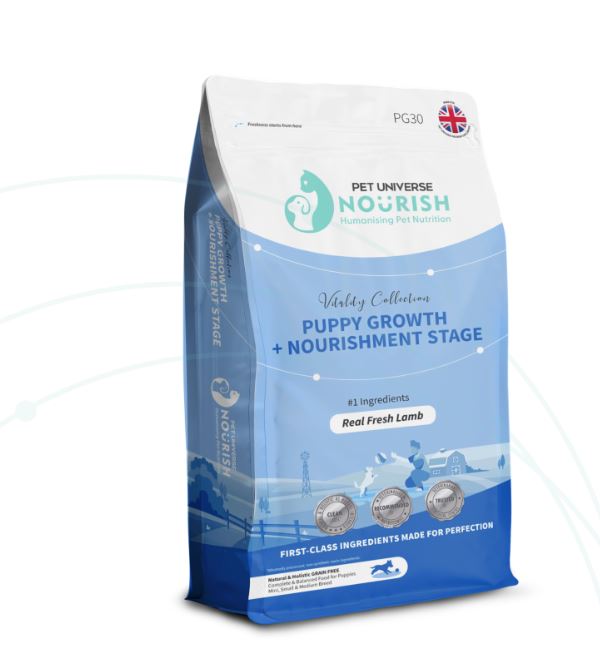
If you want your growing pup to thrive, Puppy Growth Nourishment Stage 2 is exactly what you need. Specially formulated for puppies aged 6 to 12 months, this nutrient-packed formula supports healthy bone development, strong muscles, and a shiny coat.
With high-quality proteins, essential vitamins, and gut-friendly prebiotics, it fuels your puppy’s energy while promoting optimal digestion. Plus, it’s free from artificial fillers and harmful additives, so you can feel confident knowing your furry friend is getting only the best.
Nourish: The Best Option For a Premium Dog Foods
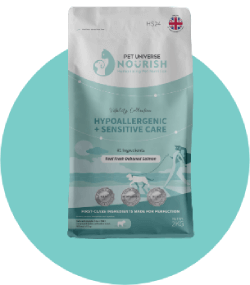
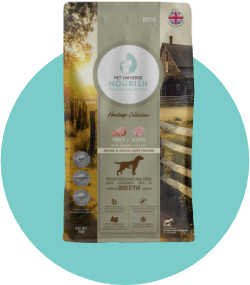
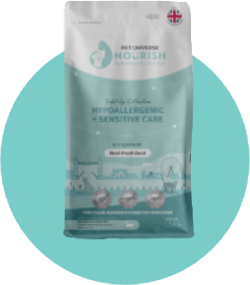
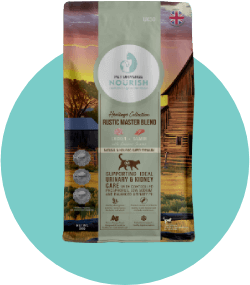
Choosing the right puppy food is a foundational step in ensuring your new furry friend grows healthy and strong. And if you are still undecided on which puppy/dog food to go for, Nourish has a premium line of dog food here for you to browse through!
 EN
EN
 Fat Bloom Pet Food And How It Impacts Product QualityFat Bloom Pet Food And How It Impacts Product Quality When a thin, whitish ...