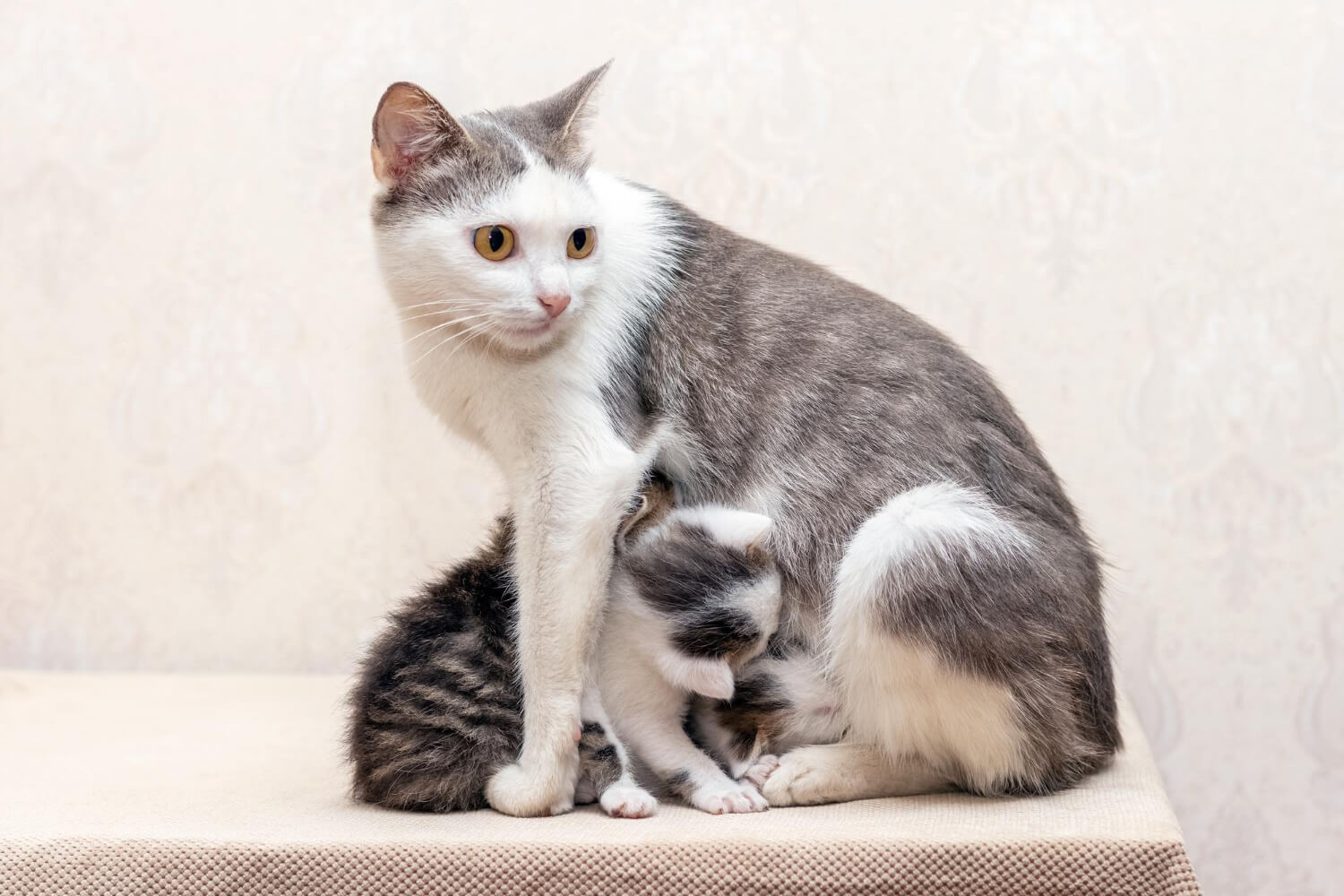
Can Cats Eat Bananas? Safe Feeding Tips & Nutrition Facts
If you’ve ever caught your cat eyeing your banana, you might wonder if it’s okay to share a bite. Cats can eat bananas, but only in very small amounts and as an occasional treat.
They aren’t toxic, but bananas don’t provide the nutrients cats need and are high in sugar, which isn’t ideal for their health.
Your cat’s diet should mainly consist of meat-based cat foods made to meet their specific needs. While offering a tiny piece of banana now and then likely won’t harm your cat, feeding too much can cause digestive issues or raise their risk for diseases like diabetes.
Understanding how to safely introduce new foods, like bananas, can keep your pet happy and healthy without unnecessary risks.
Cats can eat bananas, but they should only be given in small amounts and with caution. Understanding the safety and how cats respond to bananas is key to deciding if this fruit belongs in their diet.
Are Bananas Toxic to Cats?
Bananas are not toxic to cats. Unlike harmful foods such as chocolate or onions, bananas won’t poison your cat if they eat a small piece. The fruit itself is safe but the peel is not digestible and can cause choking or digestive blockages.
You should never let your cat chew or swallow the banana peel.
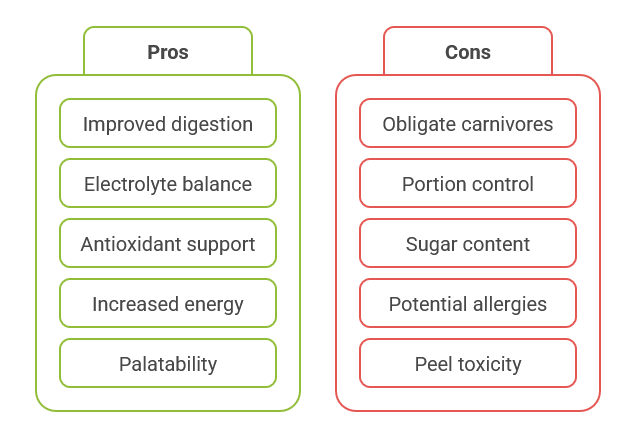
Bananas do contain sugar and carbohydrates, which cats do not need. For cats with diabetes or obesity, bananas can pose health risks and should be avoided. If your cat is healthy and only eats a small portion, the chances of any serious problems are very low.
How Cats React to Bananas
Most cats don’t have a taste for sweets and might not show interest in bananas. Some cats may like the texture or smell, but many ignore them. If your cat does eat some banana, watch for vomiting, diarrhea, or other signs of stomach upset.
Bananas are high in starch and sugar, which cats digest poorly. Too much can cause gastrointestinal issues.
Offer no more than a small bite occasionally—about a 1-inch piece—and keep it under 10% of their daily calories.
If your cat shows any negative reactions after eating banana, stop feeding it and consult your vet.
Understanding Feline Nutrition
Cats require a very specific diet to stay healthy, one that focuses mostly on animal-based nutrients.
Their bodies are finely tuned to process proteins and fats from meat rather than plant-based foods.
When feeding your cat, it’s important to recognize why their needs differ so much from humans or other animals.
The Obligate Carnivore Diet
Your cat is an obligate carnivore. This means their body depends on nutrients found only in animal tissues to function properly. Cats need high-quality protein and certain amino acids like taurine, which they cannot produce on their own.
Without these, critical body systems such as the heart and eyes can suffer damage.
Cats have a limited ability to digest carbohydrates and fibers. Unlike omnivores, your cat’s enzymes are designed to break down meat—not plants or fruits. This makes giving bananas or other plant foods more of a treat than a dietary necessity.
Overfeeding such items can upset their digestion or cause health problems.
Commercial Cat Food vs. Human Foods
Commercial cat food is formulated to meet the specific nutritional demands of obligate carnivores. It contains balanced amounts of protein, fats, vitamins, and minerals essential for your cat’s wellbeing.
When you offer your cat human foods like bananas, you risk disrupting this balance. Human foods often have sugars, carbohydrates, or fibers that cats don’t need and may struggle to digest. Commercial diets are tested to support your cat’s health, unlike most human snacks.
If you want to treat your cat, it’s safer to choose options designed for felines or small amounts of lean meat. Feeding human foods should be done with caution and understanding of your cat’s unique nutritional needs.
Nutritional Value of Bananas for Cats
Bananas contain several nutrients that can affect your cat’s health, but their role is limited because cats have specific dietary needs.
While some nutrients in bananas may support certain body functions, others offer little benefit or can even pose risks if fed in large amounts.
Potassium and Its Effects
Potassium is important for your cat’s heart and muscle function. Bananas provide a good amount of potassium, but your cat usually gets enough of this mineral from regular cat food, which is designed to meet their needs.
Too much potassium from an unusual source like banana could upset your cat’s balance and cause digestive problems. Cats don’t need extra potassium beyond what their diet supplies. Use caution since excess potassium can strain organs and lead to health problems over time.
In small quantities, potassium from bananas isn’t harmful, but it doesn’t improve your cat’s health much either. Think of it as an occasional, minor boost rather than a must-have nutrient.
Vitamin C and Other Nutrients
Cats naturally produce vitamin C in their bodies, so they don’t require it from food like humans do. Thus, the vitamin C in bananas isn’t necessary for your cat’s diet.
Bananas also have fiber, which can help digestion in some cases. Yet, too much fiber may cause constipation or diarrhea. The high natural sugar content is another factor to watch, as it can lead to weight gain or other health problems.
In short, the vitamins and minerals in bananas don’t offer essential benefits for cats. Their main nutritional value is minimal, so bananas should only be an occasional treat and not a regular part of your cat’s diet.
Health Benefits of Bananas for Cats
Bananas can offer small health perks when given in small amounts. Their key nutrients support specific body functions and may aid digestion, while also providing some mental interest for your cat.
Knowing how these benefits work helps you make a wise choice about feeding bananas to your pet.
Potential Digestive Benefits
Bananas contain fiber, which helps regulate your cat’s digestion. This fiber can support healthy bowel movements and may relieve mild constipation. If your cat struggles with occasional digestive slowdowns, a tiny piece of banana could provide gentle aid.
Potassium in bananas is another benefit. This mineral is essential for muscle function and heart health, which contributes to overall wellbeing. However, cats need very little potassium compared to humans, so only small banana pieces are needed.
Keep in mind that too much banana can upset your cat’s stomach. Because cats are not built to digest large amounts of fruit, feeding bananas should be occasional and small to avoid diarrhea or vomiting.
Mental Stimulation and Enrichment
Offering your cat new textures or smells, like a piece of banana, can introduce mild mental enrichment. Cats rely heavily on their senses, and unfamiliar treats might spark curiosity or interest.
Even if your cat does not eat the banana, letting them sniff it can provide sensory stimulation. This kind of enrichment is important, especially for indoor cats that may have fewer chances to explore new things.
Do not use bananas as a regular snack to avoid digestive issues or excess sugar intake. Instead, let them serve as occasional novel experiences to add variety to your cat’s routine.
Always watch how your cat responds and avoid forcing the fruit on them.
Risks of Feeding Bananas to Cats
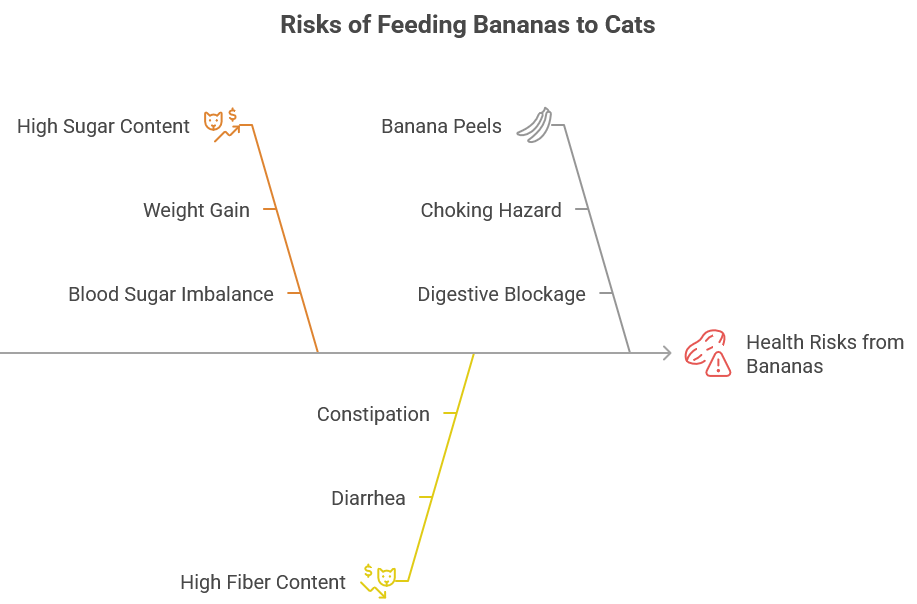
Feeding bananas to your cat carries some specific risks. These mainly involve the high sugar and fiber content of the fruit and the dangers of banana peels.
Understanding these points helps you avoid health problems and keep your cat safe.
Risks of Too Much Sugar and Fiber
Bananas contain a lot of sugar and fiber, which can cause trouble for your cat’s digestive system. Cats are carnivores and their bodies are not built to handle sugary foods well. Eating too much sugar can lead to weight gain and upset their blood sugar balance.
High fiber levels might seem helpful, but too much can cause diarrhea, vomiting, or constipation in cats.
If your cat has diabetes or is overweight, even small amounts can be risky. It’s best to keep banana treats very small and infrequent to avoid these problems.
Banana Peels and Choking Hazards
Banana peels are not safe for cats. They are hard to digest and can cause choking if your cat tries to eat them. Unlike the soft, edible fruit inside, the peel doesn’t break down well in a cat’s stomach or intestines.
You must always remove the peel completely before offering any banana to your cat. Even small pieces of peel can block the digestive tract or cause irritation, which might lead to vomiting or more serious health issues. Paying attention to this detail is essential to keep your cat safe.
How to Feed Bananas to Cats Safely
When giving bananas to your cat, portion size and preparation are critical. Bananas should only be a tiny part of your cat’s diet and must be handled carefully to avoid health issues.
Proper serving and preparation help keep your cat safe and comfortable.
Appropriate Serving Sizes
Treats like bananas should never make up more than 10% of your cat’s daily calories. For example, if your cat needs around 250 calories a day, only 25 calories should come from treats. Since a medium banana has about 110 calories, even a small piece counts.
Start with a tiny portion—something close to the size of your cat’s kibble. This reduces the risk of upsetting their stomach or causing a spike in blood sugar. Serving too much banana can lead to diarrhea or other digestive problems.
Before adding bananas to your cat’s diet, consult your veterinarian for personalized advice. Cats with health conditions like diabetes should avoid bananas altogether.
Safe Preparation Methods
Banana skin or peel is hard to digest and must be fully removed before offering any banana to your cat. Cut the banana into small, bite-sized pieces so your cat can easily chew and swallow. You might also mash a bit of banana and mix it into their regular food.
Avoid adding any sugar, spices, or other human ingredients. Keep the banana plain and fresh. Introducing only one new food at a time makes it easier to monitor for any bad reactions like vomiting or diarrhea.
Always watch your cat carefully after the first taste. If you see anything unusual, stop feeding bananas and check with your vet to ensure your pet’s safety.
Alternatives to Bananas for Cats
If you want to treat your cat but are unsure about bananas, there are better options that suit their dietary needs.
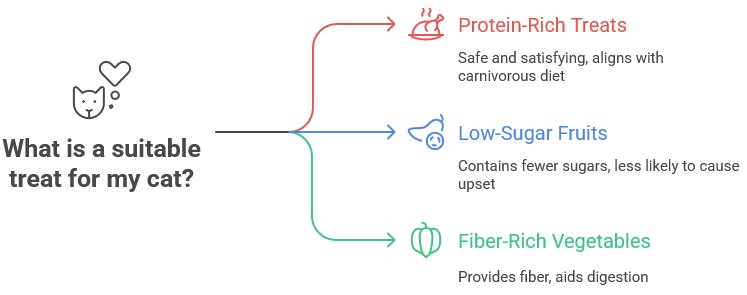
Cats are obligate carnivores, so their bodies are designed to digest meat, not fruits. Small amounts of protein-rich treats like cooked chicken or turkey are usually a safer and more satisfying choice.
For fruits, some cats may tolerate small pieces of blueberries or melon. These contain fewer sugars than bananas and are less likely to cause stomach upset. Always offer only tiny bits and watch for any reaction.
Vegetables like cooked pumpkin or steamed carrots can also work as occasional treats. They provide fiber without the high sugar content found in bananas. Pumpkin, in particular, can help with digestion if your cat has mild stomach issues.
Avoid feeding fruits and veggies in large amounts. Treats should never replace balanced cat food, which provides all essential nutrients.
Always introduce any new food slowly and in moderation. Some cats may reject new tastes or develop digestive problems, so monitor your cat carefully after trying a new treat.
If you want more ideas, consult your veterinarian. They can suggest safe options based on your cat’s health and nutritional needs.
Frequently Asked Questions About Cat Eating Bananas
Is It Safe For My Feline Friend To Consume Bits Of Banana?
Yes, small bits of banana are safe for cats to eat. Bananas are non-toxic and won’t cause immediate harm if given occasionally. Start with tiny amounts to see how your cat reacts.
What Health Benefits, If Any, Do Bananas Offer To Cats?
Bananas provide some fiber and potassium, which can support digestion and muscle function. However, these benefits are minimal because cats mainly rely on animal proteins for nutrition. Bananas are not essential for their diet.
Could Eating A Banana Harm My Cat In Any Way?
Bananas could cause problems if your cat eats too much. The high sugar content may lead to weight gain or digestive upset, such as diarrhea. Some cats may also have allergies or sensitivities to bananas.
How Often Can I Treat My Kitty To Banana Without Any Issues?
You should limit banana treats to very small amounts once a week or less. Frequent or large servings increase the risk of health problems, so keep it occasional and in moderation.
Are There Any Parts Of A Banana That Should Not Be Fed To Cats?
Never give your cat banana peel. It is hard to digest and can be a choking hazard. Only offer peeled banana cut into small, manageable pieces.
What Is The Proper Way To Introduce Bananas Into A Cat’s Diet?
Begin by offering a tiny piece of peeled banana. Observe your cat carefully for any signs of an upset stomach or allergic reaction. If your cat tolerates it well, you can offer banana very occasionally as a treat. Always consult your vet if you’re unsure.

 EN
EN
 Fat Bloom Pet Food And How It Impacts Product QualityFat Bloom Pet Food And How It Impacts Product Quality When a thin, whitish ...