You might notice your dog show interest in durian, but giving durian to dogs is generally not recommended. While a tiny piece of the flesh isn’t toxic, the high fat and sugar content, along with the risk of choking on seeds, make durian a poor choice for canine treats.
If you really want to let your dog try durian, limit it to a very small amount—no more than a teaspoon for small dogs, a tablespoon for larger ones, and only as a rare treat. Always remove the seeds, and watch for any signs of digestive upset like vomiting or diarrhoea, as these signal your dog’s body may not handle durian well.
For other pet dietary information, check out our other article: Can Dogs Eat Papaya?
Is It Safe For Dogs To Eat Durian?
If your dog happens to sneak a bite of durian flesh off the kitchen counter, don’t panic. In small amounts, the fruit itself is not toxic to most dogs. The main risk comes from overindulgence or eating the wrong part of the fruit.
You need to be very careful that only the soft, yellow flesh is given—never the seeds. Durian seeds contain compounds that are toxic to dogs and pose a choking hazard as well. Always remove seeds entirely if your dog gets near durian.
Too much durian can lead to digestive issues. Dogs may experience vomiting, diarrhea, constipation, or even blood in the stool if they eat more than just a small taste. The high sugar and fat content make it a poor snack for most pets.
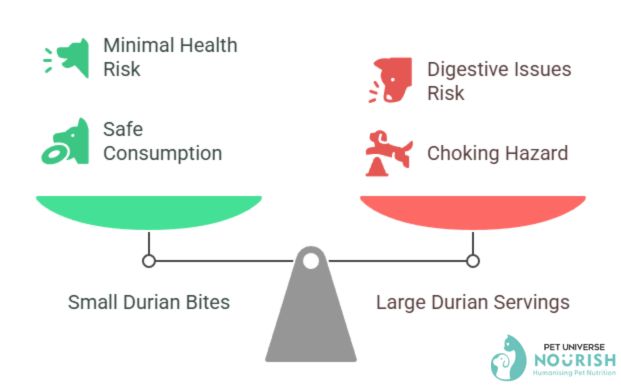
For reference, here’s a quick comparison:Imagine a scenario: you find your dog licking up a small piece of durian that dropped on the floor. A single bite usually won’t harm them, but this shouldn’t become a regular treat.
Moderation is crucial, and large servings or frequent exposure should be avoided to keep your dog healthy.
If you notice any signs of stomach upset or unusual behavior after your dog tries durian, observe them closely and consult a vet if symptoms persist.
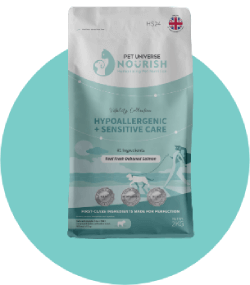
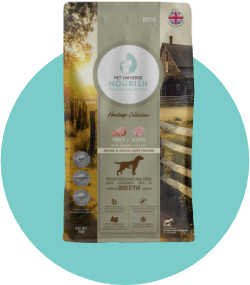
Also, while fruits might be tasty they are never a substitute for real pet food. Nourish is one of the best dog food brands in Malaysia. For more information regarding Nourish’s pet ood collection ingredients, press the button below:
Possible Hazards And Things To Look Out For Dogs Consuming Durian
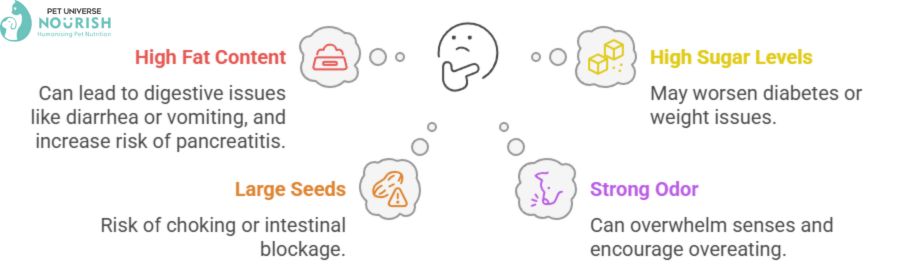
Durian’s high fat content can make it difficult for your dog to digest, especially if they have a sensitive stomach. Even small amounts might lead to diarrhea or vomiting, while larger portions increase the risk of pancreatitis, a painful inflammation of the pancreas.
The natural sugar levels in durian are quite high compared to other fruits. For dogs with diabetes or weight issues, this extra sugar can worsen their condition or add unnecessary pounds. It’s best to avoid giving sugary fruits like durian to dogs with these health concerns.
Be cautious of the large, hard seeds found inside durian. Swallowing these can cause choking or lead to dangerous intestinal blockages, which may require surgery to resolve.
Durian’s strong odor is notorious and may overwhelm your dog’s senses. Some dogs might become unsettled by the smell, while others might try to eat more out of curiosity, increasing their risk of the hazards above.
Overconsumption: Possible Side Effects Of Dogs Eating Too Much Durian
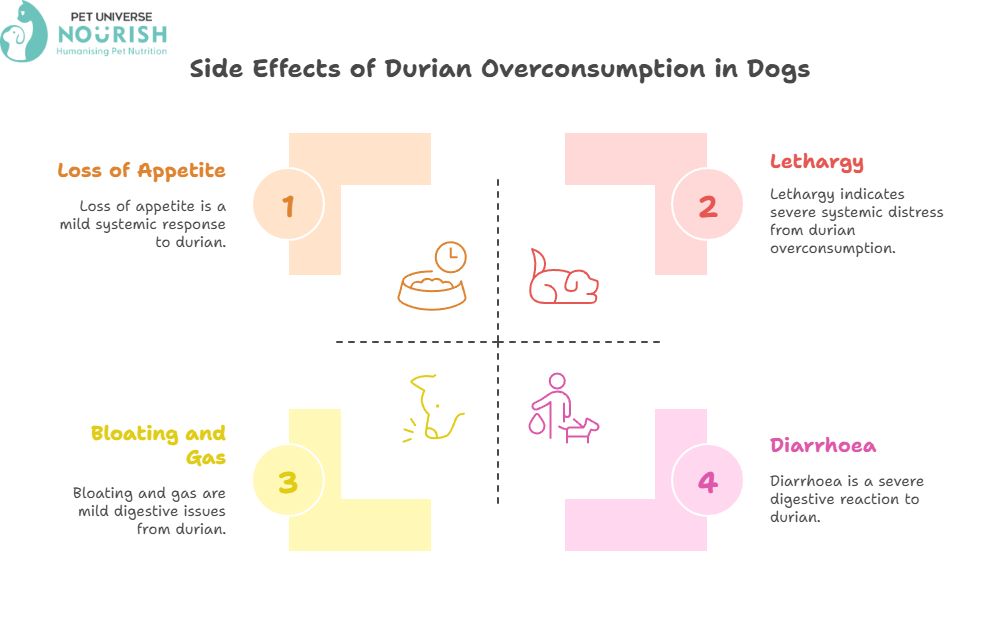
Feeding your dog too much durian can trigger vomiting, as their digestive system may struggle with the high fat and fiber content. Vomiting is a clear indicator that your dog’s body is unable to process what it just ate or is rejecting it outright.
Diarrhoea may occur if your dog eats large amounts of durian, mainly because rich, fatty fruits can be tough on their gastrointestinal tract. Persistent loose stools can quickly lead to dehydration, so it’s important to monitor your dog’s condition closely.
Bloating and gas are also possible, especially if your dog is not used to high-fiber foods. Signs may include a swollen belly or noticeable discomfort from excess gas.
Lethargy is another effect to watch for. If your dog seems sluggish or less interested in its usual activities after eating durian, pay attention—this tiredness may signal digestive distress.
A loss of appetite can follow overconsumption as well. If your dog refuses regular meals after eating durian, it’s often a sign of stomach discomfort or nausea.
Abdominal pain might be indicated by restlessness, excessive licking, or biting at the belly area. Dogs experiencing gas or bloating often display these signs as they attempt to find relief.
It’s best to limit your dog’s durian intake to a small piece as an occasional treat. Some dogs may react more strongly than others, so factors like size, health, and dietary tolerance all play a role in how much durian is safe for them.
Frequency Level: How Often Can I Feed My Dogs Durian?
When it comes to treating your dog with durian, less is better. This is not a fruit you should include in your dog’s routine diet. The safest approach is to reserve durian for extremely rare occasions—think of it as a special treat, not a regular snack.
If you decide to give durian, the portion should be tiny. A good example is offering no more than a teaspoon of ripe durian flesh, and certainly not more than a single fruitlet per week. This small serving allows you to watch for any unusual reactions or digestive issues.
If you’re adamant about feeding your dog durian, be sure to follow these guidelines:
Monitor your dog after introducing durian, and never offer the seed or rind, as these parts can be harmful.
It’s best to remember that dogs do not need durian to maintain a healthy diet. The safest practice remains not feeding durian at all. If you ever have doubts, consult your veterinarian before sharing any human foods, especially exotic fruits like durian.
Steps To Feed Your Dog Durian
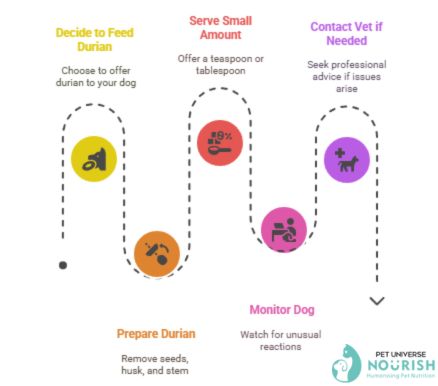
Durian is not recommended for dogs, but if you choose to offer a taste, do so cautiously and rarely. Stick to very small amounts—a teaspoon for a small dog or at most a tablespoon for a larger one. Keep servings spaced far apart, such as once a month or even less frequently.
Before serving, remove all seeds, husk, and stem to prevent choking or digestive issues. Only feed your dog the soft, ripe flesh, and never let them access any other parts of the fruit.
Once your dog has eaten a little durian, watch closely for any unusual reactions. Look for signs like vomiting, diarrhoea, bloating, or lethargy. If you notice anything out of the ordinary, contact your veterinarian immediately.
Always approach feeding durian to your dog with care, as many experts advise against giving this fruit to pets. Remember, durian is not an ideal treat and should only be given if you’re confident your dog does not have food sensitivities.
Conclusion
All in all, durians might not directly harm your dog but overindulging them with it is not the best practice. “You are what you eat” is usually said for humans but we think it is also applicable for our friends1
For better dog food options, we highly recommend Nourish’s collection where it is designed for your dog’s well-being.

 EN
EN
 Fat Bloom Pet Food And How It Impacts Product QualityFat Bloom Pet Food And How It Impacts Product Quality When a thin, whitish ...